Decide How Deep You Actually Need to Go
Every OBD2 scanner sold in the United States can read and clear generic powertrain codes — that requirement is written into the standard. The difference between a thirty-dollar reader and a thousand-dollar handheld is everything that happens after that first code appears.
If you mainly want to know why the light is on before visiting a shop, a good Bluetooth dongle is enough. If you intend to perform the repair yourself, you want full-system access and, ideally, bidirectional control.
Bidirectional Control Is the Real Dividing Line
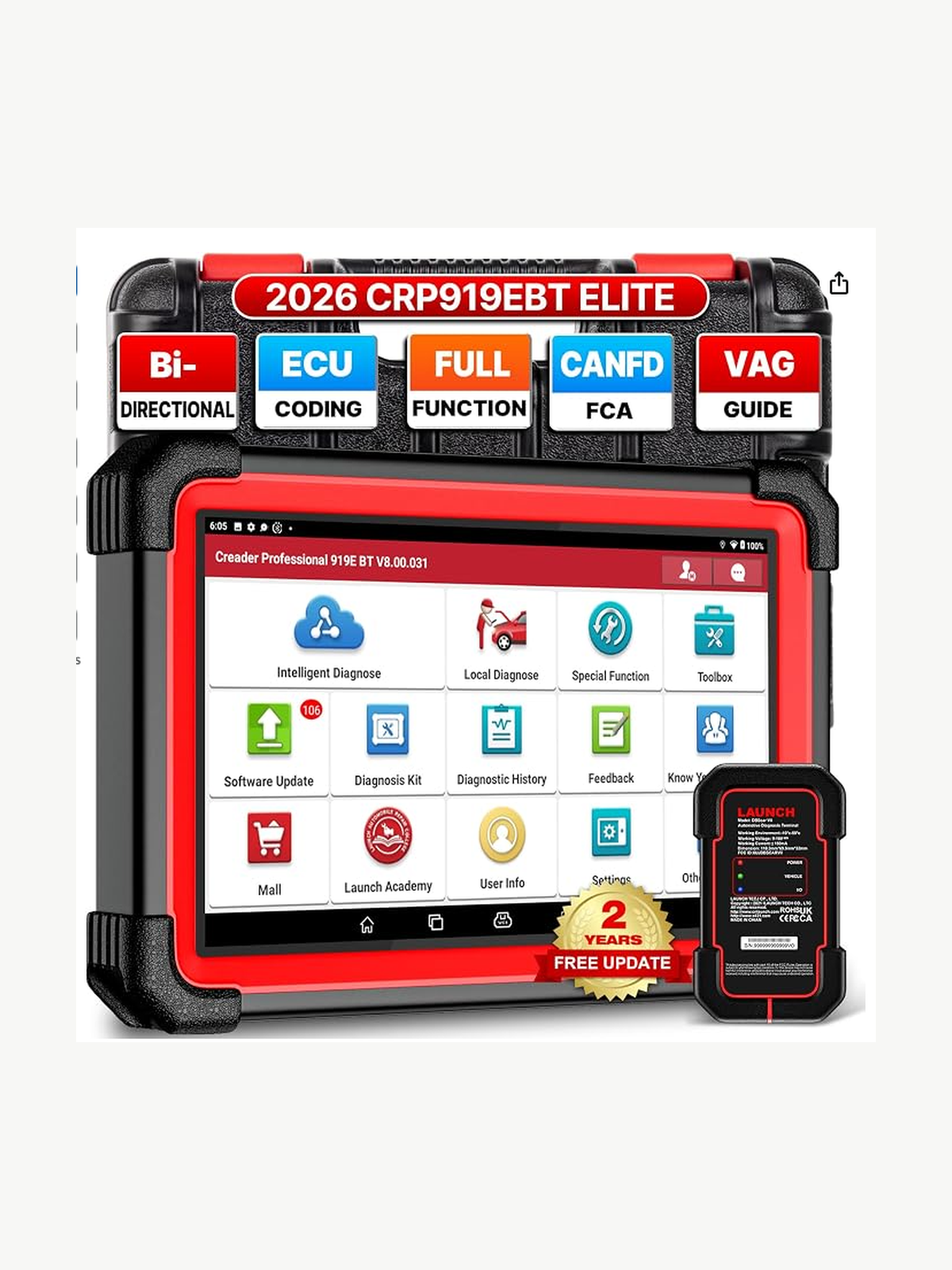
A read-only scanner tells you what the car has already noticed. A bidirectional scanner lets you command a component directly — cycle a cooling fan, actuate an ABS pump, or fire an injector — so you can prove whether the part or the circuit is at fault.
That single capability separates guessing from diagnosing, and it is the main reason to spend beyond entry-level pricing.
Check Coverage for Your Vehicle Before You Buy
Advertised capability is almost always described at its maximum. Full-system diagnostics, service resets and coding are supported on specific makes and model years, not universally, and the gaps are rarely obvious from the box.
Every manufacturer here publishes a coverage lookup. Check your exact year, make and model against the functions you care about before ordering.
App-Based or Handheld
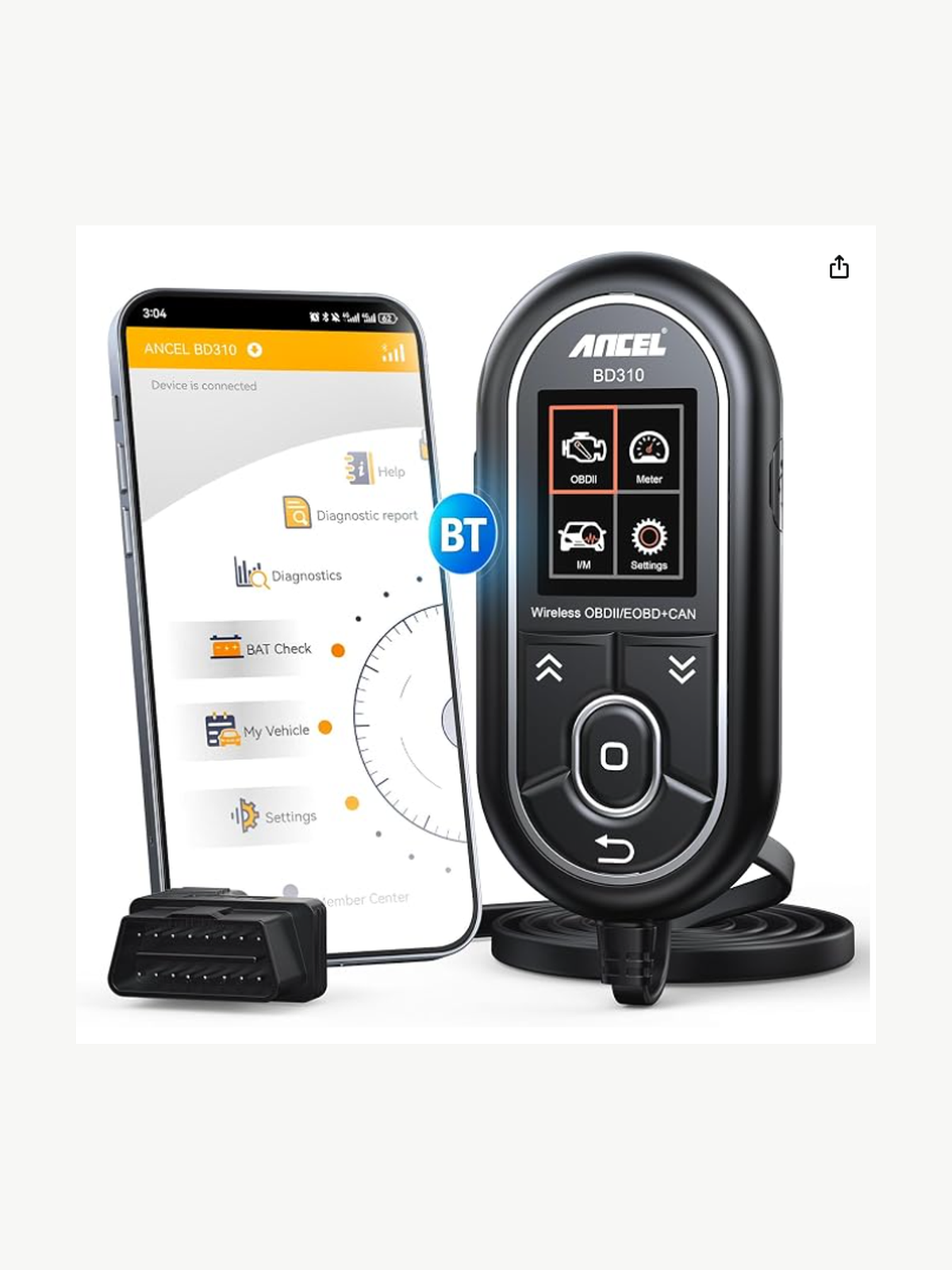
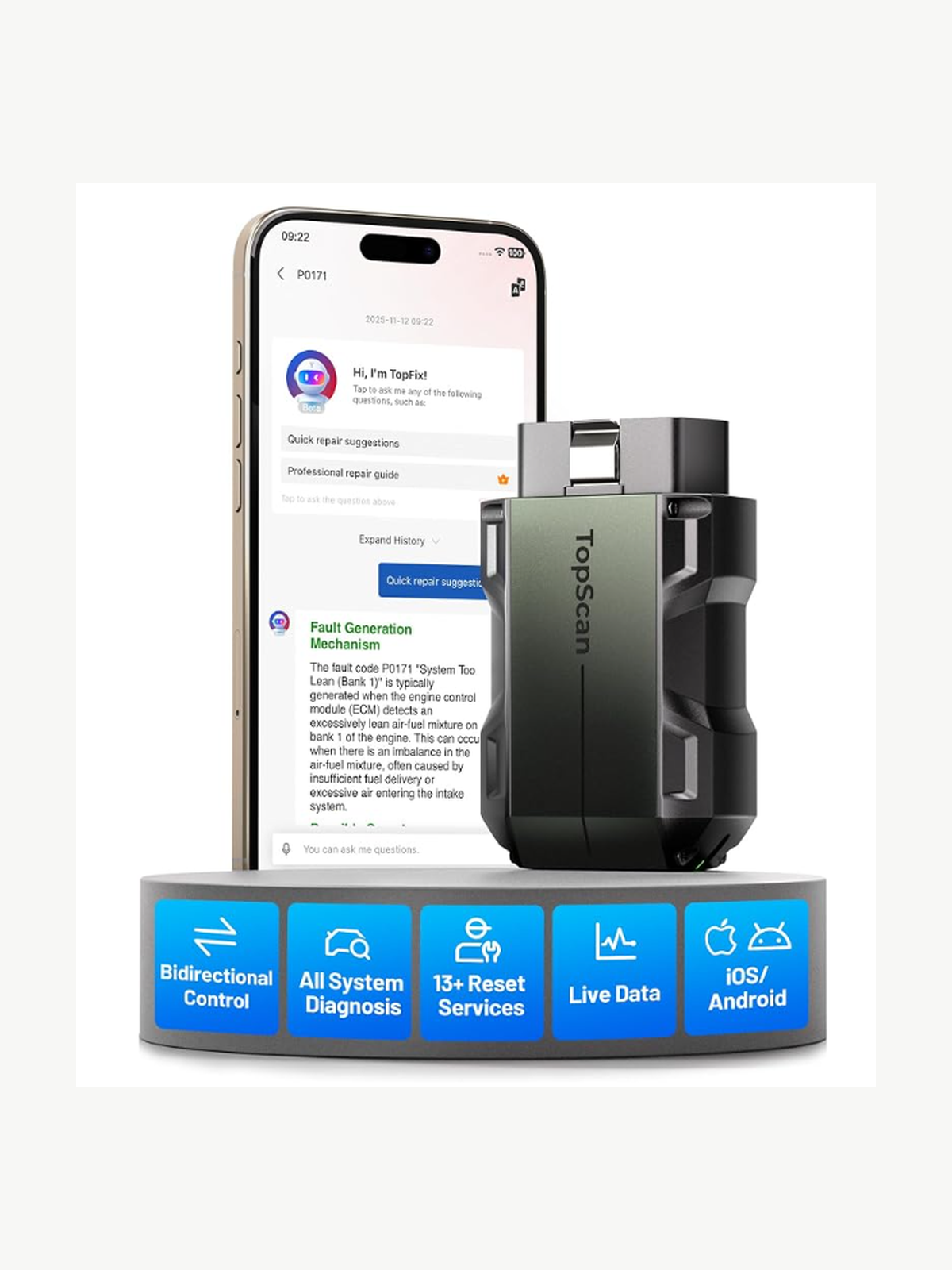
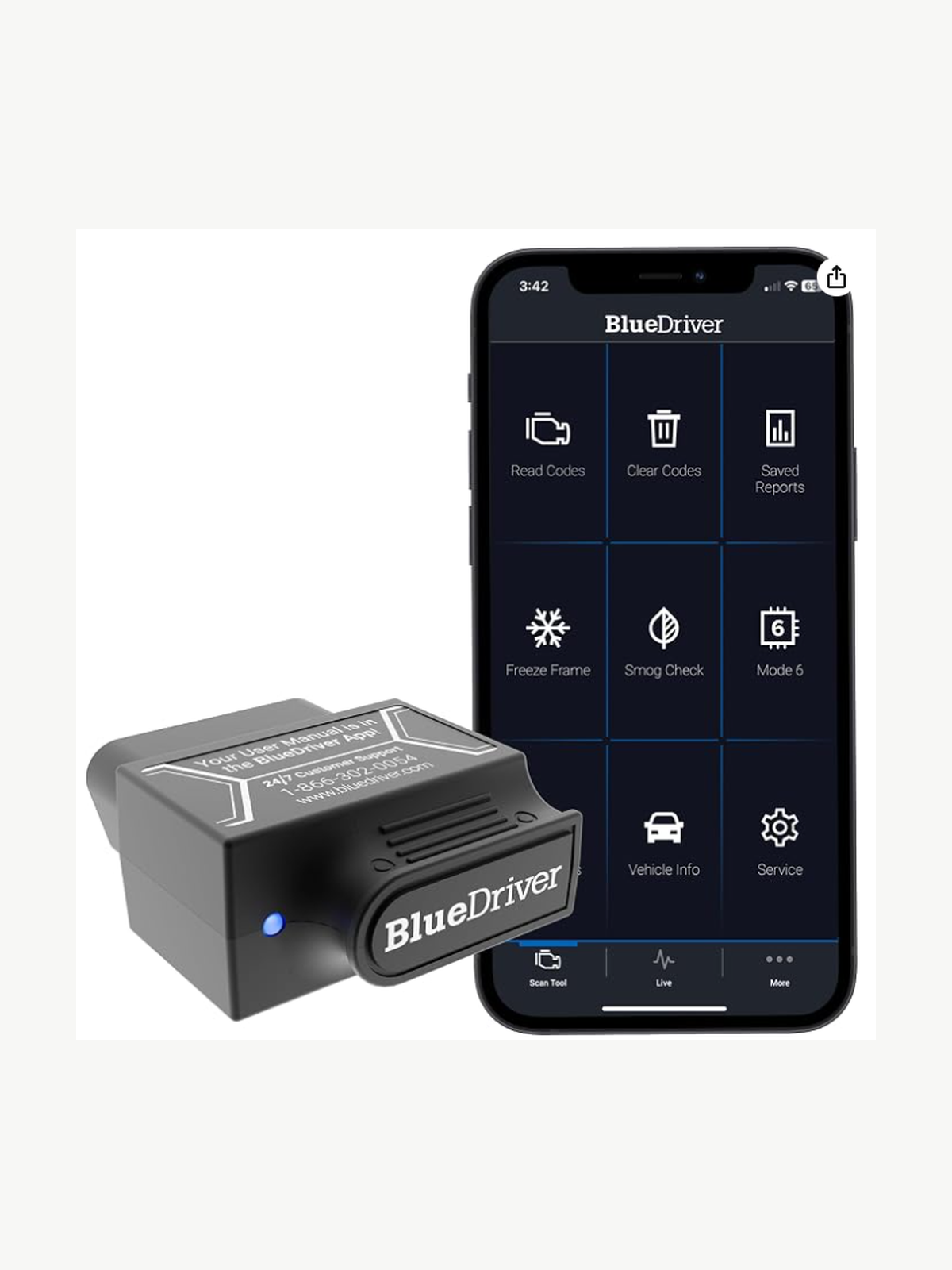
A dongle plus a phone app is compact, inexpensive and easy to keep in a glovebox, and the app usually presents results more clearly than a small monochrome screen. It also depends on your phone's battery, Bluetooth and the app's continued support.
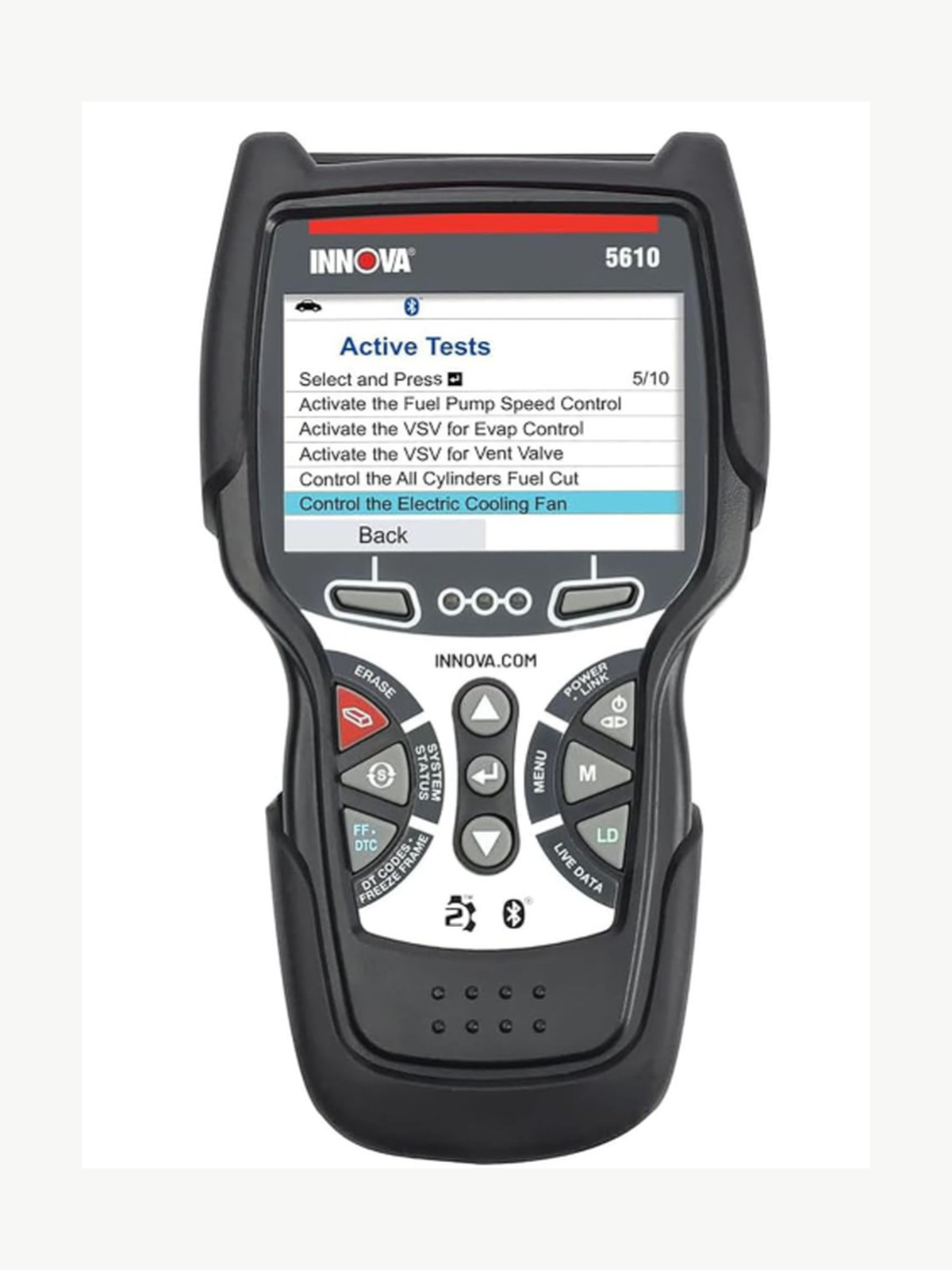
A handheld unit is self-contained, has physical buttons that work with gloves, and is what you want if the tool lives in a toolbox and gets used regularly.
Watch for Subscriptions
Some scanners are inexpensive up front and then charge annually for software updates, added coverage or advanced functions. Others include lifetime updates in the purchase price.
Neither model is inherently wrong, but the subscription belongs in your cost comparison. A tool used twice a year is poorly matched to an annual fee.
Live Data Is More Useful Than Code Lists
A stored code names a symptom. Live data shows you the engine behaving — fuel trims drifting, an oxygen sensor lazy to switch, a misfire counter climbing on one cylinder while you watch.
Graphing and freeze-frame support turn that stream into evidence, and they matter far more than the total number of codes a scanner claims to recognise.

 Best Overall for Most Drivers